
Homeowners often seek ways to enhance their living spaces while keeping budgets in check. DIY home projects not only save money but also add significant value to a property when executed thoughtfully. By engaging in various improvements, homeowners can increase both aesthetic appeal and functionality without the need for expensive contractors.
From simple renovations like painting and landscaping to more complex upgrades such as installing energy-efficient fixtures, these projects can provide a satisfying sense of accomplishment. When approached with careful planning, the right tools, and a bit of creativity, these endeavours can transform any home while contributing positively to its market value.
Valuable DIY projects make it possible to customise living spaces to fit personal tastes, offering a unique touch that is often lacking in ready-made solutions. Each project serves as an opportunity to invest in the property, making it not just a house, but a home that reflects its owner’s individuality and enhances its worth.
Essential DIY Home Projects That Add Value
A variety of DIY home projects can significantly enhance a property’s value while being budget-friendly. The following areas stand out for their potential to transform living spaces effectively.
Fresh Coat of Paint
Painting is one of the most cost-effective ways to refresh any room. A fresh coat of paint can dramatically change the feel of a space, making it appear larger and more inviting.
Choosing neutral colours can appeal to a broader audience, helping potential buyers envision their style. Consider using satin or eggshell finishes in high-traffic areas for durability.
Prepping surfaces properly is essential for a smooth finish. This includes cleaning, sanding, and priming as needed. Investing time in this process will yield a professional look that adds value to the home.
Kitchen and Bathroom Upgrades
Kitchens and bathrooms are critical areas that can substantially impact a home’s market value. Simple upgrades, such as replacing cabinet handles or updating faucets, can create a modern aesthetic without high costs.
Installing energy-efficient appliances not only appeals to buyers but also lowers utility bills. Adding a stylish backsplash or new countertops can drastically enhance the room’s appearance.
In bathrooms, consider re-grouting tiles or updating fixtures to retain a fresh look. These small changes can have a significant effect on the overall impression and value.
Simple Flooring Improvements
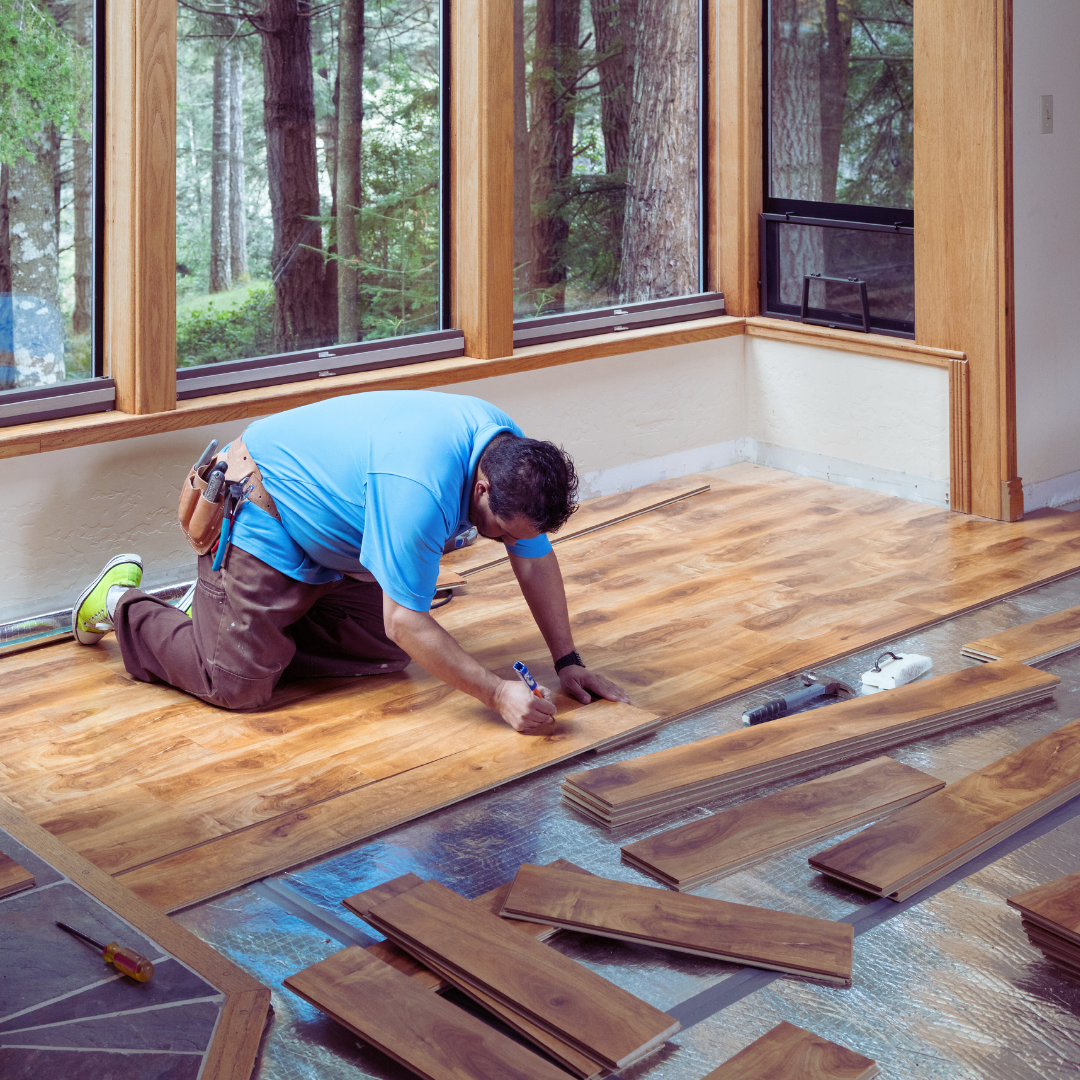
Flooring often sets the tone for a home. Upgrading to laminate or vinyl flooring can mimic the look of hardwood at a fraction of the cost. These materials are durable, easy to install, and maintain their appeal over time.
Beyond their affordability, modern vinyl flooring options offer impressive realism, often replicating the intricate grain of wood or the natural patterns of stone. This aesthetic versatility, combined with their inherent waterproof and scratch-resistant properties, makes them an excellent choice for high-traffic areas like kitchens and living rooms. Homeowners can achieve a premium look without the extensive maintenance typically associated with natural materials. Such advancements ensure that these floors not only enhance a home’s visual appeal but also contribute to its long-term durability and value, making them a smart investment for any renovation.
Removing old carpeting and exposing hardwood floors, if present, can add character and value as well. Rug placement can also enhance areas, making spaces feel cosier while protecting the underlying floor.
Regular maintenance, such as cleaning and refinishing, keeps floors looking new and can attract buyers. Simple flooring enhancements can make a significant difference in the overall home value.
Boosting Kerb Appeal on a Budget
Improving kerb appeal can significantly enhance the overall value of a property without requiring a large investment. Strategic updates to the front door and landscaping can make a notable difference.
Front Door Refresh
A fresh front door can transform the look of a home. Apply a new coat of paint in a trendy colour to make it stand out. Use high-quality paint for durability, ensuring it can withstand the elements.
Updating door hardware, such as handles and locks, offers a modern touch. Choose styles that complement the home’s architecture. For added flair, consider installing a decorative wreath or house number that enhances the entrance’s visual appeal.
Landscaping and Outdoor Lighting
Simple landscaping changes can elevate the exterior. Trim overgrown bushes and add colourful plants or flowers for vibrancy. Consider using mulch or gravel as a low-maintenance option that also improves drainage.
Strategically placed outdoor lighting enhances safety and attractiveness at night. Solar-powered lights are an eco-friendly and cost-effective option. Focus on pathways and key features, such as trees or any architectural highlights, to create a welcoming atmosphere.
Beyond these aesthetic touches, the structural condition of the home’s exterior plays a vital role in long-term property preservation. A well-maintained roof is perhaps the most significant factor in protecting these investments from weather-related damage and maintaining energy efficiency. For homeowners in specific climates, seeking professional assistance for Scottsdale roofing ensures that the property remains secure against intense sun and seasonal storms.
These experts can identify subtle issues like tile slippage or underlayment wear that might be missed during a standard DIY inspection. Ultimately, balancing personal DIY projects with professional oversight for major structural components creates a comprehensive approach to home maintenance.

Maximising Value and Staying Compliant
Home improvement projects can increase property value, but staying compliant with local regulations is essential. Understanding planning permission and meeting building regulations will ensure that renovations add value without causing future issues. This is key when it comes to the time when you wish to sell the house after having professionals give you a House Valuation Slough (or elsewhere), as permissions issues can drastically bring down the value of your home to an estate agent or a buyer.
Understanding Planning Permission
Planning permission is often required for significant alterations. Homeowners should investigate their local authority’s requirements before starting a project.
Key considerations include:
- Type of Work: Certain projects, like extensions or conversions, usually require permission.
- Permitted Development: Some minor works may fall under permitted development rights, bypassing the need for an application.
Checking local regulations may involve submitting detailed plans. This process typically takes 8–12 weeks, and the fee varies. Handling this efficiently can save time and prevent costly changes later.
Meeting Building Regulations
Building regulations ensure health, safety, and energy efficiency in home improvements. Homeowners must adhere to these standards during renovations.
Important aspects include:
- Structural Integrity: Ensuring that building work is safe and stable.
- Fire Safety: Complying with fire-resistant materials and escape routes.
- Energy Efficiency: Meeting standards for insulation and heating systems.
Renovations not compliant with these regulations may need to be rectified at considerable cost. Engaging with a qualified builder or professional can simplify compliance and safeguard the property’s value.