
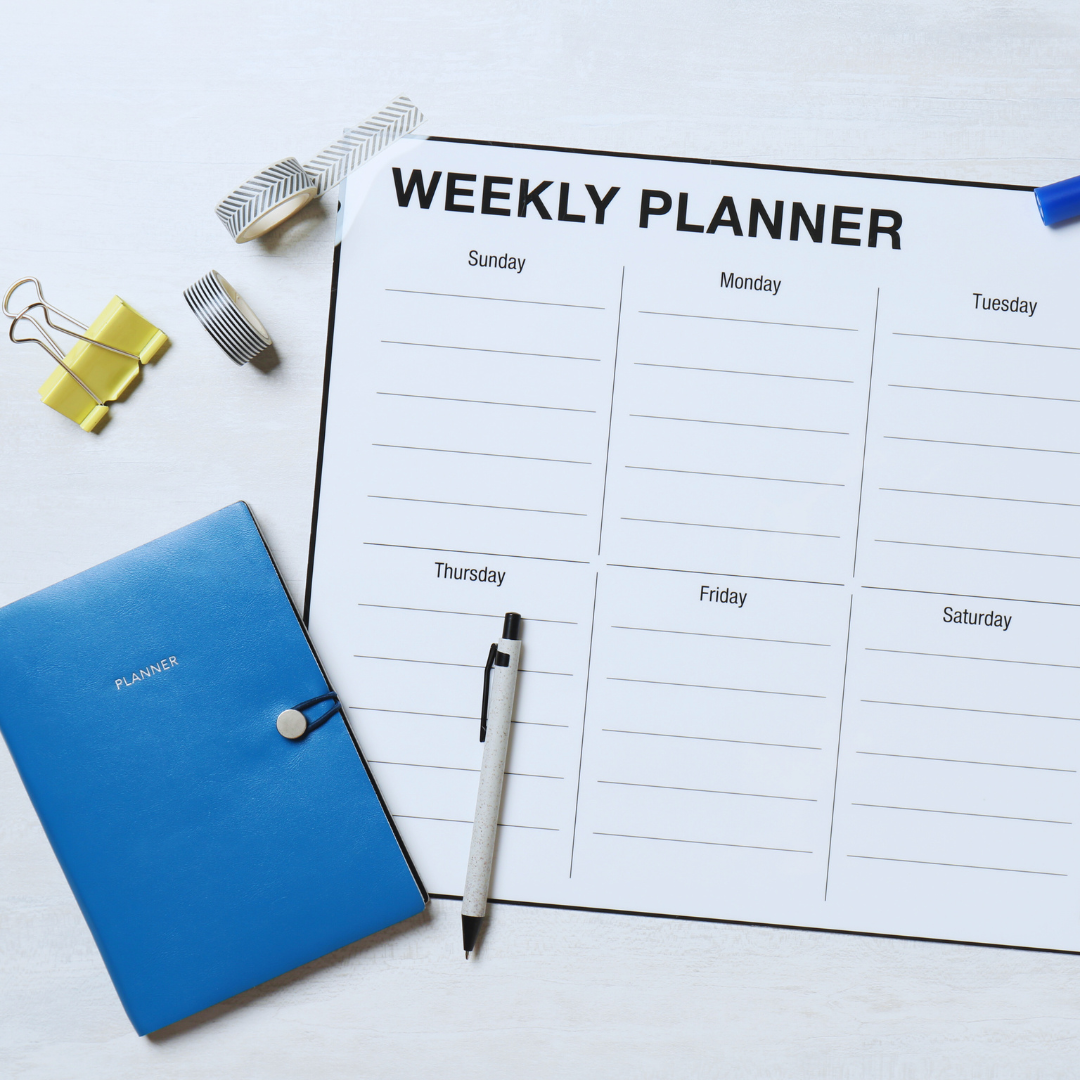
Creating a balanced weekly routine is essential for maintaining productivity and well-being. To achieve this, one must allocate time for work, leisure, exercise, and personal development while ensuring that each area receives adequate attention. A purposeful approach leads to a more fulfilling life and reduces the risk of burnout.
Establishing clear goals is the first step in crafting a routine that aligns with individual needs. By identifying priorities, individuals can structure their week to include essential tasks alongside activities that promote relaxation and joy. This balance not only enhances focus but also contributes to long-term satisfaction.
Navigating a weekly schedule with intention allows for flexibility and adaptation. By regularly reviewing and adjusting the routine, individuals can respond to changing priorities or unexpected events, ensuring they remain on track towards their goals.
Understanding the Fundamentals of a Balanced Weekly Routine
Creating a balanced weekly routine requires careful consideration of various components that contribute to overall well-being. Key aspects include recognising what constitutes balance, establishing healthy daily habits, and integrating essential elements that promote lasting success. Each area plays a vital role in forming a routine that enhances productivity and personal satisfaction.
What Makes a Routine Balanced?
A balanced routine accommodates various aspects of life, including work, leisure, physical activity, and rest. It allows individuals to pursue their goals while ensuring they do not neglect personal health and relationships.
A few characteristics of a balanced routine include:
- Flexibility: Adapting to changes and unexpected events without major disruptions.
- Variety: Incorporating diverse activities that stimulate different areas of life, preventing monotony.
- Consistency: Establishing regular patterns that foster discipline and help achieve long-term objectives.
Key Pillars of Healthy Daily Habits
Healthy daily habits serve as the foundation for a balanced routine. They contribute to increased energy levels, improved mood, and enhanced productivity. Key pillars include:
- Nutrition: Consuming a well-rounded diet that supports physical and mental health.
- Exercise: Engaging in regular physical activity to promote fitness and reduce stress.
- Sleep: Prioritising sufficient rest to facilitate recovery and cognitive functioning.
Incorporating these habits consistently will enhance overall quality of life and create a solid framework for daily activities.
Essential Elements for Lasting Success
To ensure a balanced routine leads to lasting success, attention must be given to certain essential elements. These include:
- Goal Setting: Establishing clear, achievable objectives for both short-term and long-term aspirations.
- Time Management: Allocating time efficiently, using tools like calendars or planners to stay organised.
- Reflection: Regularly reviewing progress and making necessary adjustments to improve the routine.
By integrating these elements, individuals can establish a sustainable routine that accommodates their evolving needs and ambitions.
Planning Your Week for Optimal Health and Productivity
A well-structured weekly plan can enhance both health and productivity. By focusing on realistic goals, day structure, and recovery time, individuals can create a balanced routine that supports their overall well-being.
Setting Realistic Goals and Priorities
Identifying achievable goals is essential for a productive week. Start by making a list of priorities, distinguishing between urgent and important tasks.
Use the SMART criteria:
- Specific: Clearly define the goal.
- Measurable: Determine how success will be measured.
- Achievable: Ensure it’s realistic.
- Relevant: Align it with broader objectives.
- Time-bound: Set a deadline.
Meal planning can be integrated into this process. Establish a weekly meal plan that includes healthy recipes and ingredients. Not only does this save time, but it also promotes healthier eating habits.
Structuring Your Days for Consistency
A consistent daily routine can foster productivity. Allocate specific blocks of time for key activities such as work, exercise, and meals.
For example:
- Morning: Focus on high-priority tasks.
- Afternoon: Incorporate physical activity, such as a lunchtime walk.
- Evening: Prepare healthy dinners and wind down with relaxation.
Weekly meal prep enhances this structure. Preparing meals in advance can eliminate decision fatigue and reduce last-minute unhealthy choices.
Incorporating Time for Rest and Recovery
Rest is crucial for sustained productivity and health. Schedule breaks throughout the day to recharge mentally and physically. Short breaks of 5-10 minutes after every hour of work can boost concentration.
Also, plan longer rest periods during the week, such as full days off or dedicated time for hobbies. Incorporating activities like yoga or meditation can greatly aid in recovery.
Ensure that meals are not skipped, as proper nutrition supports energy levels. Consistent sleep patterns should also be a priority, with a target of 7-9 hours per night to optimally support both physical and mental health.
Building Nutritious Meals into Your Weekly Routine
Incorporating nutritious meals into a weekly routine is essential for maintaining health and energy levels. This involves understanding healthy eating principles, utilising meal prep strategies, and including a variety of meals throughout the week.
Principles of Healthy Eating
Healthy eating focuses on consuming a balanced mix of food groups. Key components include:
- Fruits and Vegetables: Aim for at least five portions a day. They provide essential vitamins and minerals.
- Lean Proteins: Incorporate sources like chicken, fish, legumes, and nuts. These help with muscle repair and growth.
- Whole Grains: Use brown rice, quinoa, and wholewheat bread as alternatives to refined grains. They are high in fibre, which aids digestion.
- Healthy Fats: Include avocados, olive oil, and fatty fish. These promote heart health and absorption of fat-soluble vitamins.
Adhering to these principles facilitates a balanced approach to nutrition.
Smart Meal Prep Strategies
Effective meal preparation saves time and ensures healthier choices. Here are some strategies to consider:
- Plan Ahead: Dedicate time each week to plan meals. Choose recipes that facilitate bulk cooking.
- Batch Cook: Prepare large quantities of meals and freeze portions. This provides quick access to healthy options.
- Use a Meal Prep Guide: Create a checklist or use a meal prep app. This ensures all ingredients are available and reduces impulse eating.
- Organise the Kitchen: Keep healthy ingredients visible and easily accessible. This encourages nutritious choices over less healthy snacks.
Implementing these strategies simplifies healthy eating during busy weeks.
Incorporating Breakfast and Nutritious Snacks
Breakfast is crucial as it breaks the overnight fast and fuels the body. Focus on these nutritious options:
- Oatmeal with Fruits: Top with berries or sliced banana for added nutrition.
- Greek Yoghurt Parfait: Layer with granola and a drizzle of honey for energy.
- Smoothies: Blend spinach, a banana, and protein powder for a quick, nutrient-rich drink.
Snacks also play a vital role in maintaining energy and avoiding overeating. Some healthy snack ideas include:
- Nuts and Seeds: Provide healthy fats and proteins.
- Veggies with Hummus: Offers fibre and essential vitamins.
- Fruit with Nut Butter: Combines healthy fats and natural sugars.
Integrating these options enhances daily nutrition.
Balanced Meal Ideas for Every Day
Creating a varied meal plan prevents monotony. Here are some balanced meal suggestions:
- Monday: Grilled chicken, quinoa salad with mixed greens, and olive oil dressing.
- Tuesday: Baked salmon, steamed broccoli, and brown rice.
- Wednesday: Stir-fried tofu with mixed vegetables and wholewheat noodles.
- Thursday: Lentil soup with wholegrain bread.
- Friday: Chickpea salad with tomatoes, cucumber, and feta cheese.
- Saturday: Breakfast burrito with scrambled eggs, black beans, and avocado.
- Sunday: Vegetable omelette with wholemeal toast.
These meal ideas incorporate a mix of proteins, grains, fruits, and vegetables to ensure balanced nutrition throughout the week.
Adapting and Maintaining Your Routine Over Time
Maintaining a balanced weekly routine requires ongoing assessment and flexibility. Adjustments are essential as life circumstances evolve. Strategies for monitoring progress, staying motivated, and seeking support are crucial for sustaining a healthy routine.
Monitoring Progress and Making Adjustments
Regularly evaluating progress helps ensure the routine remains effective. Setting specific, measurable goals is advisable. Keeping a journal can help track achievements and areas for improvement.
- Weekly Reviews: Dedicate time each week to review what worked and what didn’t. Adjust tasks or time allocations as necessary.
- Refining Goals: If certain objectives seem unrealistic, they should be redefined. Adapt goals based on abilities, interests, and commitments.
- Feedback Loops: Soliciting feedback from peers or mentors can provide valuable insights. Constructive feedback highlights strengths and weaknesses.
Continual assessment fosters alignment with personal aspirations and current conditions.
Staying Motivated Through Challenges
Maintaining motivation can be challenging, particularly during difficult periods. Building resilience is essential for sticking to the routine.
- Visual Reminders: Use calendars or planner apps to keep important tasks visible. Setting reminders aids in maintaining focus.
- Celebrate Milestones: Acknowledge achievements, no matter how small. Recognising progress reinforces commitment to maintaining the routine.
- Community Support: Engaging with a supportive network can bolster motivation. Sharing experiences with others can provide encouragement and accountability.
Addressing challenges with proactive strategies helps sustain long-term adherence to a balanced routine.
Resources for Continued Support
Accessing relevant resources can significantly aid in maintaining a balanced routine. Individuals should leverage tools that resonate with their lifestyle.
- Guided Tools: Apps like Todoist or Trello help organise tasks and manage time efficiently. These tools encourage regular check-ins.
- Educational Materials: Online platforms offer courses or articles on productivity and time management. Continuous learning fosters improved routine strategies.
- Professional Guidance: Consultation with a coach or therapist can provide tailored advice. Professional insight may assist in overcoming specific hurdles.
Utilising these resources can empower individuals to adapt their routines as needed for sustained success.