
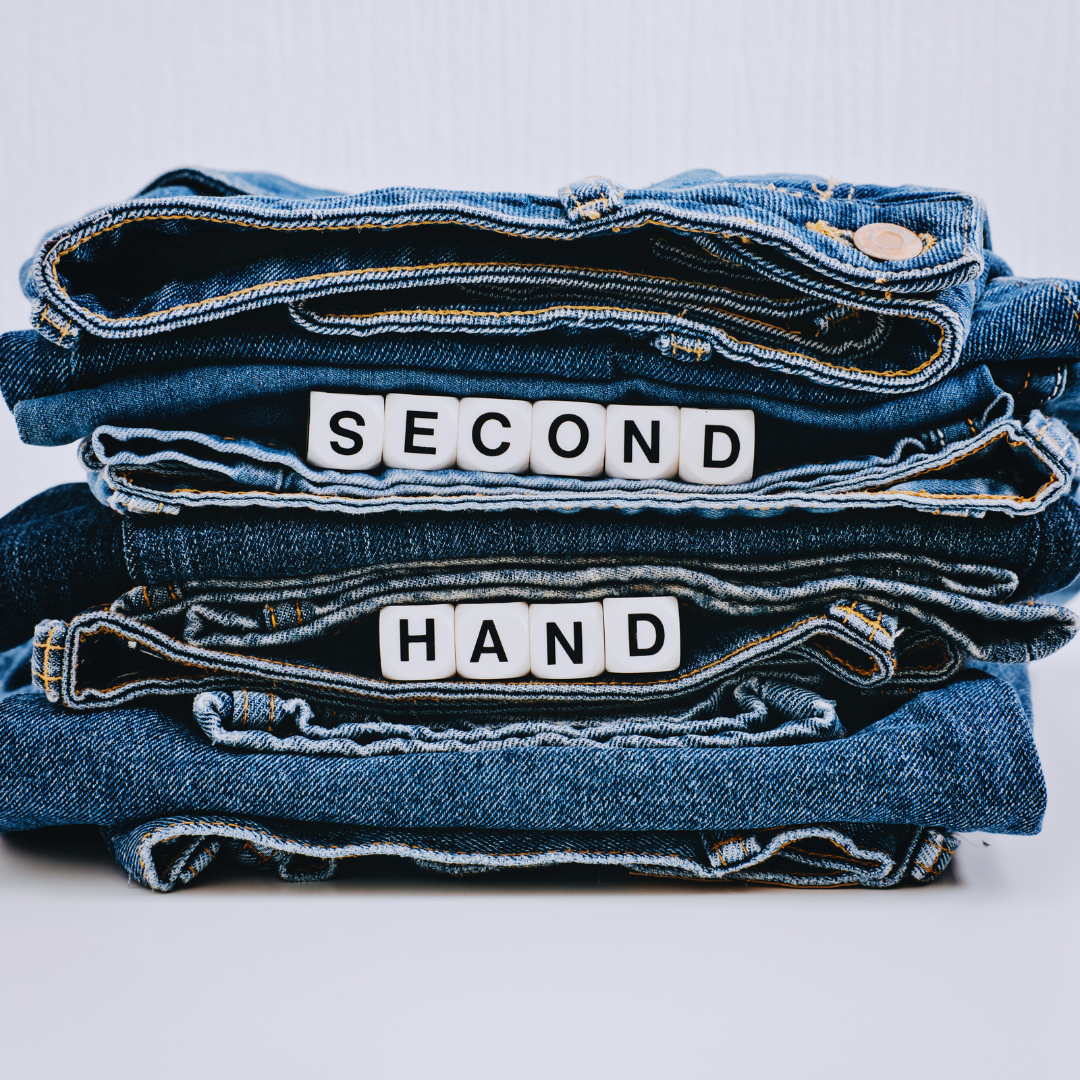
Second-hand shopping offers a treasure trove of unique finds, often at a fraction of the original price. Many shoppers are unaware of the effective strategies that can lead to remarkable bargains. By applying a few smart hacks, anyone can uncover valuable items that others might overlook.
Understanding the best times to shop, such as during charity shop restocks or seasonal sales, can significantly enhance the shopping experience. Knowledge of specific brands, materials, and trends also aids in making informed purchasing decisions. This creates an opportunity to not only save money but also discover pieces that add character to one’s wardrobe.
In addition, connecting with local communities through social media or platforms dedicated to second-hand selling can reveal exclusive deals. The thrill of the hunt makes second-hand shopping not just economical but also enjoyable. Embracing these hacks can transform a casual browsing session into a successful shopping expedition.
The Fundamentals of Second-Hand Shopping
Second-hand shopping offers unique opportunities for individuals looking to save money while promoting sustainability. Understanding the core aspects of this practice enhances the experience and optimises the findings available.
Why Choose Thrift Stores and Charity Shops
Thrift stores and charity shops provide a diverse selection of items, often at significantly lower prices than retail outlets. Shoppers can uncover vintage clothing, second-hand furniture, and unique home decor. These venues typically offer a rotating inventory, meaning the treasures available change frequently.
Additionally, purchases made at charity shops often support local causes. Shoppers not only gain value but also contribute to the community, as proceeds typically fund charitable initiatives. This dual benefit attracts a growing number of consumers who are conscious of their spending and their impact.
Understanding the Environmental Impact
Second-hand shopping plays a key role in reducing waste and promoting sustainability. The fashion industry is one of the largest polluters globally, contributing to immense environmental damage. By opting for second-hand goods, consumers help lessen the demand for new products, thereby reducing resource consumption.
Purchasing pre-owned items helps divert textiles from landfills. According to reports, buying one second-hand garment can save approximately 2,700 litres of water—enough to fill a small swimming pool. By choosing to shop second-hand, individuals make a significant environmental statement while building a sustainable wardrobe.
Key Benefits Over Fast Fashion
One of the primary advantages of second-hand shopping is cost-effectiveness. Thrift stores and charity shops often offer items at a fraction of retail prices, making it easier for individuals to build their wardrobes without breaking the bank. This approach also allows for a stylish yet budget-friendly lifestyle.
In contrast to fast fashion, which promotes a culture of disposability, second-hand shopping encourages thoughtful consumption. Shoppers are more likely to invest in quality pieces that stand the test of time. This not only supports sustainability but also fosters a unique personal style that differs from the mass-produced options in mainstream retail.
Proven Hacks for Great Second-Hand Finds
Finding quality second-hand items is made easier with a strategic approach. Implementing specific hacks can enhance the shopping experience and lead to impressive discoveries.
Building a Wishlist and Prioritising Wardrobe Staples
Creating a wishlist is a key strategy for successful second-hand shopping. She should identify wardrobe staples that are essential for her style. These might include versatile shirts, classic trousers, and quality bags.
A focused list keeps the shopping experience efficient. It prevents impulse buys and helps her stay within budget. She can update the list regularly based on seasonal needs or changing trends. This approach simplifies decision-making while shopping.
Checking Quality and Key Details Before Buying
Examining quality is crucial when purchasing second-hand items. They should inspect seams, fabric, and overall construction. Look for well-made pieces that indicate durability. Signs of quality include reinforced stitching and high-quality fabrics.
Checking for key details can prevent regret later. She should assess zippers, buttons, and lining to ensure functionality. If a piece requires minor repairs that are manageable, it may still be worth buying.
Thrift Regularly for the Best Selection
Regular visits to thrift shops can significantly improve the chances of finding great items. New stock often arrives at different times, so staying consistent increases options. Establishing a routine could mean visiting local shops weekly or bi-weekly.
Each visit reveals new opportunities and potential treasures. Thrift shops may have unique pieces that vary by season, location, and donations. Frequent thrift shopping allows her to spot trends and understand which stores carry certain styles.
Spotting Designer and High-Quality Pieces
Knowing how to identify designer items is an essential skill. She should look for labels and tags that indicate quality brands. Researching brands beforehand can help identify sought-after designers in advance.
Quality craftsmanship can be recognised through specific features. For example, she should check for heavy materials, perfect stitching, and unique detailing. These signals often identify a high-quality piece.
Using these strategies, second-hand shopping can yield exceptional finds, turning thrifting into an enjoyable and rewarding experience.
Mastering Online Second-Hand Shopping
Online second-hand shopping offers diverse opportunities for unique finds at competitive prices. Understanding which platforms to trust, how to interpret product descriptions, and managing payment methods effectively are key to a successful experience.
Identifying Reliable Platforms and Trustworthy Sellers
Choosing the right platform is essential for safe and satisfying online thrifting. Websites like Depop, eBay, Vestiaire Collective, and Farfetch are known for their large selections and user bases.
Buyers should research sellers by checking their ratings, reviews, and the number of completed transactions. Selecting sellers with a higher number of positive ratings increases the likelihood of a successful purchase. Users should also look for platforms that offer buyer protection to minimise risks.
Effective Use of Product Descriptions and User Reviews
Reading product descriptions is vital for understanding the item’s condition, size, and other details. A thorough description should include measurements, fabric type, and any flaws. This information helps assess whether the item meets expectations.
User reviews provide additional insights. Feedback on seller reliability, shipping times, and the accuracy of descriptions can guide decisions. It’s important to read multiple reviews to get a comprehensive view of the seller’s reliability and product quality.
Navigating Sizing and Payment Methods
Sizing can differ greatly between brands and sellers. Many online platforms provide sizing charts, but it’s wise to measure oneself and compare measurements against listed items. This step ensures better fits and reduces returns.
When it comes to payment methods, platforms typically offer various options like credit/debit cards, PayPal, and other secure payment systems. Using secure payment methods not only protects financial information but also often contributes to buyer protection policies.
Embracing Sustainable Style and Personalisation
Fashion enthusiasts increasingly recognise the importance of sustainable style in shaping their wardrobes. By exploring pre-loved options and personalising outfits, they can create unique looks that reflect their individuality and values.
Curating a Unique Personal Style with Pre-Loved Fashion
Pre-loved fashion allows individuals to express their style distinctively. Thrift stores, charity shops, and online platforms feature items that range from the quirky to the elegant.
By mixing brands such as COS and Zara with unique vintage pieces, one can develop a diverse wardrobe. Taking time to sift through options can yield unexpected treasures.
Fashion enthusiasts should consider their body shape, colour preferences, and lifestyle when curating their wardrobe. This ensures that each piece resonates with their personal style while promoting sustainability.
Incorporating Vintage and Sustainable Pieces
Incorporating vintage items into everyday wear enhances personal style and promotes sustainability. Vintage clothing often features unique designs and craftsmanship not found in contemporary fashion.
Adding pieces from different eras can create a timeless look. For instance, a classic 70s dress can be paired with modern accessories for a contemporary twist.
Exploring sustainable fashion brands that prioritise ethical production, such as Reformation or People Tree, complements vintage finds. These brands often use eco-friendly materials, offering stylish alternatives that align with a sustainable ethos.
Donating, Swapping, and Upcycling
Engaging in practices such as donating, swapping, and upcycling is essential for a sustainable wardrobe. Donating unwanted clothing not only helps those in need but also keeps garments out of landfills.
Swapping clothes with friends or participating in local swap events can refresh a wardrobe without additional spending. It creates a sense of community while sharing unique pieces.
Upcycling allows individuals to transform outdated clothing into something new. A simple alteration, such as turning long jeans into stylish shorts, can reinvigorate an item and extend its life significantly.
Dress Appropriately and Try Everything On
Dressing appropriately when shopping for second-hand items is crucial. Comfortable clothing allows for better movement and a clearer evaluation of new finds.
Trying everything on is essential, as sizes can vary widely among different brands and eras. It is advisable to approach the fitting room with an open mind and be willing to experiment with styles that may not have been previously considered.
By taking the time to try various combinations, shoppers can discover hidden gems that suit their personal style perfectly.